Examples of Pop up Retail That Turned Customers Into Fans
3 mins
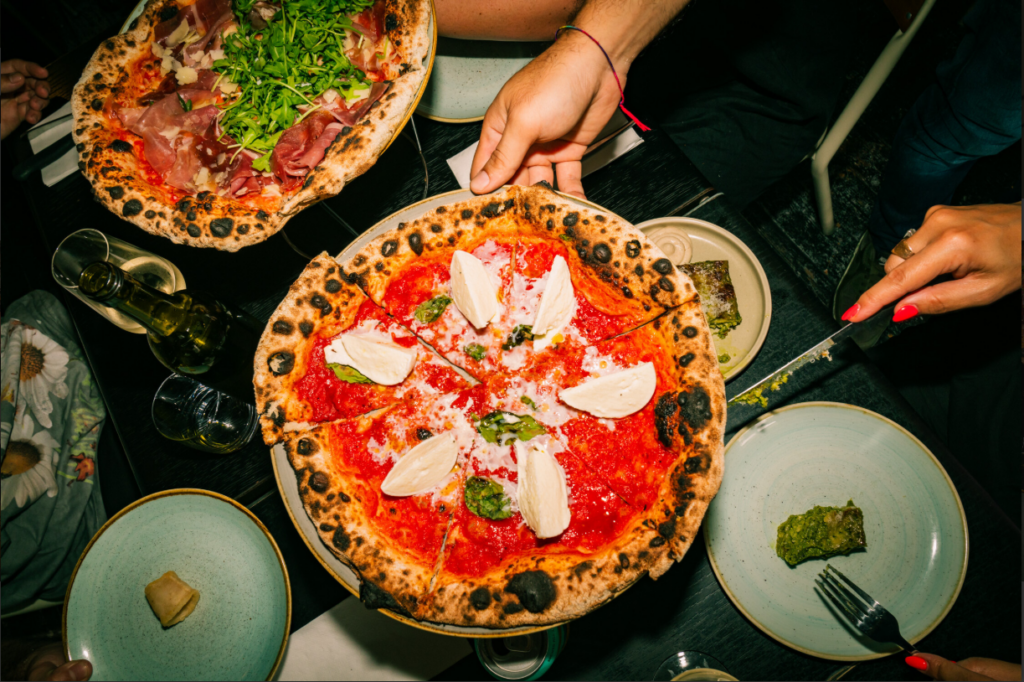
Pop up retail is often judged by how much attention it attracts. But for many brands, the real success of a Pop up isn’t measured in foot traffic or sales alone. It’s measured in what happens next.
The most effective Pop ups don’t just introduce a brand. They convert casual visitors into long-term fans. And they do it not through scale or spectacle, but through connection, participation, and intent.
This is where Pop up retail, supported by short-term hire, becomes a powerful loyalty tool rather than a short-lived campaign.
Why Pop up Retail Creates Stronger Emotional Buy-In
Permanent retail can feel transactional. Pop ups feel personal.
Because Pop up retail is temporary, customers experience it as:
- Intentional
- Time-bound
- Worth engaging with now
This sense of immediacy lowers barriers and encourages people to participate, not just browse.
What Fan-Building Pop ups Do Differently
They Invite Participation, Not Observation
Pop ups that create fans give customers a role in the experience.
This might include:
- Interactive product moments
- Behind-the-scenes access
- Opportunities to contribute, customise, or respond
When customers feel involved, they remember the brand differently.
They Make the Brand Feel Human
One of the biggest advantages of Pop up retail is proximity.
Short-term hire allows brands to:
- Speak directly with customers
- Share the story behind products
- Respond in real time to questions and feedback
These moments turn brands from logos into people, which is where loyalty starts.
They Prioritise Meaning Over Scale
Not every successful Pop up is busy. Some of the most effective activations focus on depth, not volume.
Fan-building Pop ups often:
- Serve a clearly defined audience
- Focus on a single message or product
- Create space for genuine conversation
This approach resonates more than broad, unfocused exposure.
How Short-Term Hire Supports Loyalty-Driven Pop ups
Short-term hire gives brands freedom to design experiences around intent rather than permanence.
Because the space is temporary, brands can:
- Experiment with tone and format
- Create niche or community-led moments
- Test what resonates before scaling
This flexibility allows Pop up retail to function as a relationship-building environment, not just a sales floor.
From One-Time Visit to Ongoing Relationship
Pop ups that turn customers into fans don’t end the experience when the doors close.
They use the activation to:
- Grow owned audiences
- Extend conversations online
- Reinforce shared values after the event
In this way, Pop up retail becomes the starting point of a longer relationship, not a one-off interaction.
Why This Matters More Than Ever
As customers become more selective about where they spend their attention, brands need more than visibility. They need connection.
Pop up retail, enabled through short-term hire, allows brands to:
- Show up with intent
- Create meaningful in-person experiences
- Build loyalty before scale
This is why some Pop ups are remembered long after they close, while others are forgotten as soon as they end.
At Spacenow, brands use Pop up retail and short-term hire to create spaces where customers don’t just discover products, they form lasting connections.
Fans aren’t built through reach. They’re built through experience.