Staffing a Pop-Up Shop | Spacenow
5 mins
Staffing a pop-up: rosters, training and the first weekend
If you are working out how to staff a pop up shop, start with the customer experience rather than a fixed staff-to-customer ratio. Instead, think about what your team needs to do throughout the day, when demand is likely to increase and which tasks need someone available at all times.

How many people you actually need
Ask what your team actually needs to do during a normal trading period.
That might include:
- Greeting customers
- Answering product questions
- Processing payments
- Replenishing stock
- Maintaining displays
- Managing queues
- Packing purchases
- Handling appointments
- Managing the back-of-house area
A small space can become difficult to operate with too few people. At the same time, adding staff without giving them a clear role can create unnecessary congestion.
Rather than planning around an average day, think about the busiest moments.
For example, if one person needs to leave the floor to collect stock, who stays with customers? If several people arrive at once, who handles the queue? When the payment area becomes busy, who keeps the rest of the shop running?
These questions are more useful than choosing a headcount based purely on floor area.
If you are planning a pop-up, you can explore pop-up spaces on Spacenow while considering the staffing requirements your space needs to support.
Briefing casuals on a brand they do not know
A casual team member does not need to know the entire history of your brand. They do need enough information to represent it confidently.
Give every new staff member a short briefing covering:
The brand
What do you sell and who is it for?
The products
Which products matter most? What are the key features, sizes, materials or use cases?
The customer
Who are they and what questions are they likely to ask?
The sales process
How does payment, packaging, returns or collection work?
The space
Where is stock kept? Where are bags and supplies? Who should they contact if something goes wrong?
Keep the briefing practical. A one-page guide that someone can read before their first shift is often more useful than a long brand presentation.
For more context on planning a temporary retail environment, see what pop-up retail space is and how businesses can use it.
The first weekend
The first weekend is the shift pattern worth planning properly. It is often when the team sees the greatest variation in customer behaviour, from quiet periods to sudden bursts of activity.
Do not build the roster around an average day. Look at:
- Opening preparation
- Peak shopping periods
- Lunch breaks
- Staff changeovers
- Closing procedures
- Stock replenishment
- Expected events or promotions
Make sure the strongest or most experienced team members are available when the shop is likely to be busiest.
The first weekend is also a test of your assumptions. Watch where queues form, when staff get pulled away from customers and which tasks take longer than expected.
Use those observations to adjust the roster for the rest of the activation.
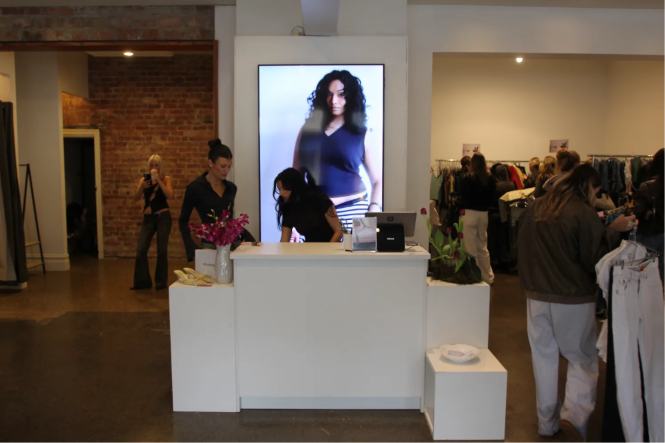
What to hand over between shifts
A shift handover should make the next person feel like they are continuing the same day, not starting from scratch.
Keep it simple. Record:
- Best-selling products
- Low-stock products
- Customer questions
- Outstanding customer requests
- Issues with payments
- Display changes
- Deliveries received
- Tasks still to complete
- Anything the next shift needs to know
A short written handover can prevent small problems from becoming repeated problems. It also means casual staff do not need to rely on memory when they return for their next shift.
If you are still working out the practical requirements for your activation, Spacenow's Concierge service is another option to consider when defining the type of space you need.
FAQ
How many staff does a small pop-up need?
It depends on what the team needs to do, how customers move through the space and when your busiest periods occur. Start with the tasks that need to be covered and build the roster around the busiest periods.
How do I brief casual staff quickly?
Give them a short written guide covering the brand, key products, customer profile, sales process, space layout and who to contact when something goes wrong.
Good pop-up staffing is less about having a large team and more about having the right people in the right places at the right times. Plan around the first weekend, keep the briefing simple and use shift handovers to keep everyone aligned.