Booking Shared Spaces for Events: Your Ultimate Guide
6 mins
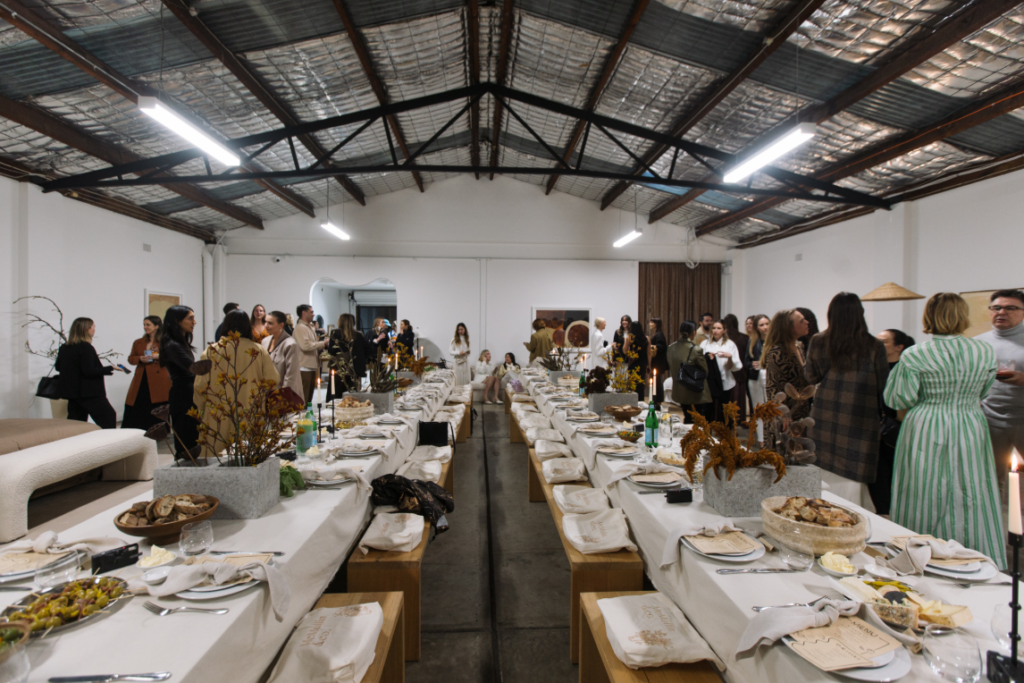
Event planners across Australia are turning to shared spaces for one simple reason: they work. Traditional venues often lock you into rigid contracts with limited flexibility. Shared spaces offer something different. You get the space you need, when you need it, without the overhead.
Why Shared Spaces Make Sense for Events
The numbers tell the story. Shared event spaces typically cost 40-60% less than traditional venues. You avoid lengthy lease commitments and can test different locations for different events.
Shared spaces also bring built-in character. A converted warehouse has personality that a generic function room lacks. Your guests notice the difference. The space becomes part of your event's story, not just a container for it.
Location flexibility matters too. Need to be near public transport in Sydney? Want a creative backdrop in Melbourne? Shared spaces pop up in neighbourhoods where traditional venues don't exist. This lets you get closer to your audience.
Setup and breakdown become simpler with many shared spaces. Hosts often provide basic furniture, AV equipment, and kitchen facilities. You spend less time coordinating vendors and more time focusing on your event content.
Events That Thrive in Shared Spaces
Corporate workshops benefit from the collaborative atmosphere of shared spaces. Breakout sessions flow naturally in multi-room venues. Team building exercises work better when your space feels less corporate.
Product launches need visual impact. PR event venues in shared spaces often feature exposed brick, high ceilings, and natural light that photographs well. Your product gets a backdrop that reinforces your brand story.
Private dining events gain intimacy in shared spaces. Restaurant buyouts feel impersonal. A shared space configured for your group creates exclusivity without the premium price. Private dinner venues in shared spaces often include full kitchen access.
Training sessions and seminars work well in shared spaces with flexible layouts. You can reconfigure the room for presentations, group work, and networking breaks. Traditional conference rooms lock you into one setup.
Pop up retail events combine sales with experience. A shared space lets you create a retail environment that matches your brand. Pop up spaces in Sydney offer high-traffic locations without long-term retail commitments.
Networking events need spaces that encourage conversation. Shared venues often feature multiple zones - a presentation area, mingling space, and quiet corners for deeper discussions.
What to Consider When Booking
Capacity planning goes beyond just headcount. Factor in your event flow. Will people move between different areas? Do you need space for registration tables, displays, or catering stations? Add 20% to your expected attendance when calculating space needs.
Technical requirements can make or break events. Check power availability - older buildings might not handle your AV setup. Internet speed matters for livestreaming or presentations. Test connectivity before your event day.
Access timing affects your planning significantly. Some shared spaces restrict access hours or charge extra for early setup. Others offer 24-hour access. Match the timing to your event requirements, not the other way around.
Parking and transport links impact attendance. City spaces might offer public transport access but limited parking. Suburban venues might reverse this equation. Consider your audience's preferences.
Catering restrictions vary widely between venues. Some shared spaces require you to use approved caterers. Others ban outside food entirely. A few offer full kitchen access. Clarify these details before booking.
Insurance and liability requirements differ by venue type. Corporate spaces might have existing coverage that extends to your event. Others require you to arrange separate event insurance. Budget for this cost upfront.
Legal and Logistics Essentials
Permit requirements depend on your event type and location. Most shared space bookings for standard events don't require special permits. Alcohol service, amplified music, or street signage might trigger permit requirements. Check with local councils early.
Damage deposits protect both parties. Venues typically hold deposits until after your event. Document the space condition before and after your event. Take photos of any existing damage to avoid disputes.
Cancellation policies matter more than you think. Weather, speaker cancellations, or low registration numbers might force changes. Understand your options before committing to a booking.
Load-in and load-out procedures need coordination with venue hosts. Some spaces share loading areas or elevators with other tenants. Others have specific time windows for deliveries. Plan your logistics around these constraints.
Sound restrictions affect many shared spaces. Residential areas might have noise curfews. Office buildings might limit amplified sound during business hours. Factor these limits into your event design.
Making Your Event Memorable
Space configuration sets the tone for your entire event. Arrive early to test your layout. What looked good on paper might not work in the actual space. Have backup arrangements ready.
Lighting can transform any venue. Many shared spaces have basic lighting that creates shadows during presentations or makes networking difficult. Bring portable lighting solutions for key areas.
Signage helps guests navigate unfamiliar spaces. Shared venues might not have obvious entrances or clear pathways between areas. Create wayfinding signs that match your event branding.
Climate control varies significantly between shared spaces. Older buildings might have limited HVAC systems. Newer spaces might offer precise temperature control. Plan for weather contingencies regardless.
Technology backup plans prevent disaster. Shared spaces might not have dedicated IT support like hotels do. Bring backup projectors, microphones, and internet hotspots. Test everything twice.
Finding the Right Space Through Spacenow
Spacenow's search filters help you narrow options quickly. Set your capacity, location, and date requirements first. Then browse by space type to find venues that match your event style.
Host communication makes the difference between good and great bookings. Message hosts with specific questions about your needs. Experienced hosts often suggest modifications that improve your event outcomes.
Reviews from previous events provide real insights into venue performance. Look for comments about host responsiveness, space condition, and any unexpected issues. This information helps you avoid problems.
Booking protection gives you confidence in unfamiliar venues. Spacenow handles payment processing and dispute resolution. You focus on your event while the platform manages the transaction details.
Ready to find the perfect shared space for your next event? Browse Spacenow's collection of event spaces for activations across Australia and book with confidence today.