Pop up Costs People Forget to Budget
4 mins
The costs people forget when budgeting a Pop up
A pop up budget checklist needs to cover more than the space itself. Insurance, fit-out, staffing, signage, cleaning, storage, waste and bump-out can all become part of the project.
Insurance, fit-out, staffing, signage, cleaning, storage, waste and bump-out can all become part of the project. Some may be obvious from the start, while others only appear once you begin preparing the space.
A useful budget separates what happens before opening, during trading and after closing.
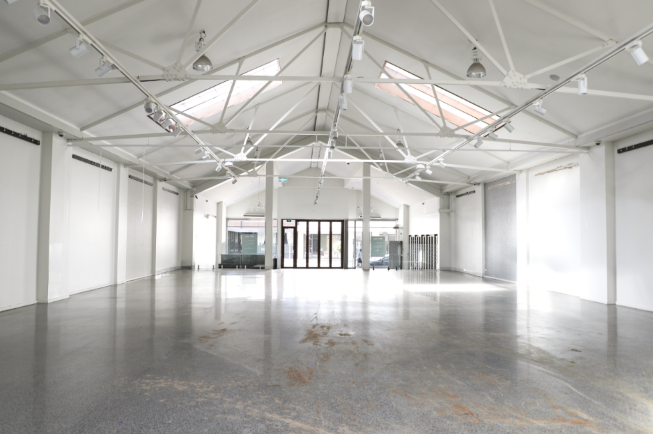
Before you open
The first group of costs comes before customers arrive.
Depending on your activation, you may need to plan for:
- Insurance
- Signage
- Window graphics
- Fixtures
- Lighting
- Printing
- Stock transport
- Installation
- Equipment
- Packaging
- Setup labour
Some spaces may already provide useful infrastructure. Others may require you to bring in more of your own equipment.
That is why the condition of the space matters when you are building the budget.
When comparing Pop up spaces on Spacenow, look beyond the appearance of the space and consider what you will need to bring in before opening.
While you are trading
Your operating budget should also account for what happens once the doors open.
Depending on your setup, consider:
- Staff
- Cleaning
- Stock replenishment
- Packaging
- Storage
- Payment equipment
- Customer services
- Security
- Waste management
- Transport
The list will be different for every activation.
A small appointment-led showroom may have very different requirements from a busy sample sale.
Walk through a typical trading day and list everything your team needs from opening until close. This can reveal gaps that are easy to miss when you only think about the space and the fit-out.
When you leave
The end of the booking needs its own budget.
Consider:
- Removing stock
- Removing fixtures
- Collecting hired equipment
- Taking down signage
- Cleaning
- Waste removal
- Transport
- Storage
- Final inspection
- Reinstatement where required
Pack-down is easy to overlook because most planning focuses on getting the Pop up open.
But the space still needs to be dealt with after the last customer leaves.
Confirm the venue's expectations before your booking starts so your team knows what needs to happen at the end.
If you need help identifying spaces that suit your operational requirements, Spacenow's Concierge service can help you communicate the brief.
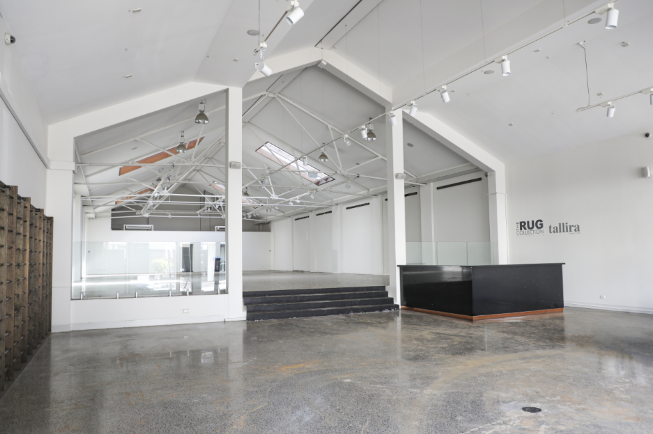
Building a budget that survives contact with reality
A simple way to structure your budget is to divide it into four sections:
Space
What are you booking and what does the space provide?
Setup
What needs to be ordered, transported, installed or produced?
Trading
What does your team need while customers are using the space?
Pack-down
What needs to be removed, cleaned, transported or stored?
Then add anything that depends on the particular venue.
This might include access requirements, cleaning arrangements, equipment restrictions or reinstatement requirements.
The aim is not to predict every possible expense. It is to make sure the obvious operational requirements are included before you commit.
FAQ
What is usually excluded from a space cost?
It depends on the space and booking arrangement. Insurance, signage, staffing, transport, cleaning, storage, waste and equipment may need to be considered separately, so ask what is included before finalising your plans.
Who pays for cleaning at the end?
Responsibility for cleaning depends on the venue and the booking arrangement. Confirm the cleaning, waste and reinstatement requirements before the booking so you know what needs to be handled by your team.
A realistic Pop up budget accounts for the entire activation, not just the space. Work through setup, trading and pack-down separately, then confirm which responsibilities belong to you and which belong to the venue.