Pop up space in Melbourne CBD: the grid, the arcades and the laneways
5 mins
Planning a pop up or activation in the middle of Melbourne means understanding how the grid works for retail, when the streets are busiest, what pop up space in Melbourne CBD is like, and how trams and access affect the build. For the laneways in more detail, see our guide to Melbourne's laneways.
How do the grid, the arcades and the laneways differ?
The CBD is a grid of wide main streets with narrower little streets between them: Flinders Lane, Little Collins, Little Bourke and Little Lonsdale. Each type of street works differently for retail.
- The main streets. Bourke Street Mall and Swanston Street carry the heaviest shopping traffic, with the department stores and big centres around them. Collins Street runs from the business end in the west to the luxury end in the east. Brands take a shopfront here mainly for visibility.
- The little streets. Frontages are smaller and the neighbours are mostly independent. They suit a brand with a following that will come looking for it.
- The arcades. The Block Arcade and the Royal Arcade are heritage landmarks with small, ornate shops and a steady flow of visitors. Short-stay tenancies in them are rare and each arcade has its own management rules, so do not build a plan around getting one.
- The laneways. Degraves Street, Centre Place and the lanes around them are known for cafés and street art, and people walk them to explore. Floor space is usually tiny.
Compare CBD options with the rest of the city on the pop up spaces page.
When is the Melbourne CBD busiest?
Foot traffic changes a lot by day and by hour.
- Weekday mornings bring commuters moving fast from Flinders Street, Southern Cross and the other stations, and few of them stop to buy.
- Weekday lunch, from about noon to two, is the office-worker peak, and suits sampling and quick purchases.
- After work brings a second, shorter wave, and Thursday and Friday evenings are the liveliest.
- Saturdays are the big retail day in the shopping core, with shoppers coming in from the suburbs.
- Sundays are steady but quieter.
Office attendance tends to cluster mid-week, so Mondays and Fridays can be noticeably quieter in the business end of the grid. The city calendar matters too: the Australian Open in January, the AFL Grand Final build-up in September, the spring racing carnival and the Christmas trading period all bring extra crowds, and extra competition for space.
A sound default for a retail pop up is Wednesday to Sunday, with extra staff at lunch and on Saturday.
What are the spaces like?
- Activation space. 362 Little Collins St is listed as a technology-enabled pop up and brand activation space.
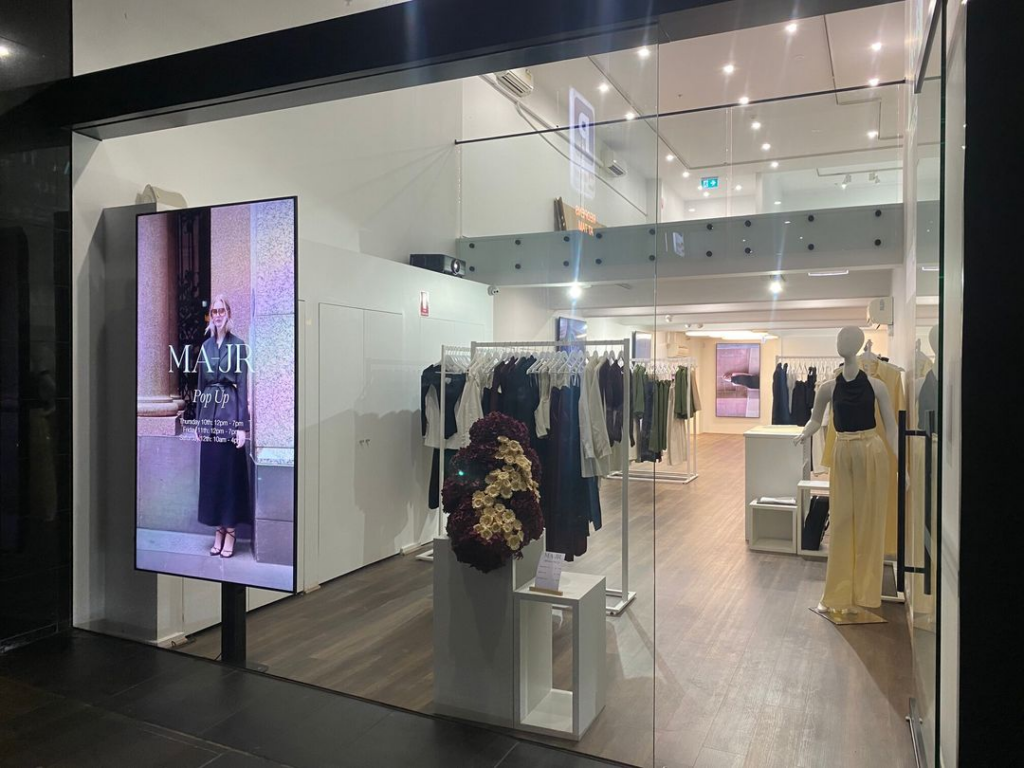
- Ground-floor shopfronts. 369-371 Lonsdale St is a ground-floor space with a wide shopfront, street-facing windows, high ceilings and good natural light.
- Blank-canvas rooms. 524 Flinders Street is an all-white warehouse in the CBD with polished concrete floors and ceilings of about 3.6 m, ready for a set build or an exhibition.
Heritage buildings are common across the grid, and they come with rules about fixings, signage and façades. Ask the host what earlier bookings were allowed to do.
Planning around trams and access
- Swanston Street and Bourke Street Mall are closed to general traffic. They are for trams, bikes and pedestrians, so a space facing either will load from a side street or lane.
- Use the little streets and lanes for loading, and check the time limits on loading zones. Putting a truck or skip on the road can need a City of Melbourne permit.
- Brief your drivers on hook turns. At marked CBD intersections, cars turn right from the left lane to keep the tram tracks clear, and drivers from interstate are often caught out.
- Book the building's dock if there is one, and ask about lift sizes for anything large. Our notes on loading docks and access list what to check.
- Customers will come by tram and train. The Free Tram Zone covers the CBD, so put the nearest stop on every invitation, and do not count on anyone driving in to collect bulky purchases.
FAQ
Are the arcades good for pop ups?
They can be, for small, product-led concepts that suit a heritage setting. Arcade shops are small and see a steady flow of visitors, but short-stay tenancies come up rarely and each arcade has its own management rules on fit-out, signage and hours. If you want one, start asking early.
When is the CBD busiest?
The Melbourne CBD is busiest on weekday lunchtimes and on Saturdays in the shopping core. Thursday and Friday evenings are lively, Sundays are steadier, and big events such as the Australian Open, the AFL finals and the Christmas trading period add crowds on top.
Do I need a permit for a pop up in the CBD?
It depends on what you do outside the space. Trading inside a space already approved for retail may need nothing extra, but signage, footpath use, amplified sound and trucks on the road can need City of Melbourne approval, and heritage buildings add their own rules. Ask the host first, then check with the council.
If you want a CBD address but are not sure which part of the grid suits you, the concierge can shortlist spaces for your dates, free until you book. You can also browse every Melbourne pop up space.