Retail Space Trends: How Pop Up Experiences Are Reshaping Retail
6 mins

Pop up experiences have become one of the most effective tools in modern retail marketing, reshaping how brands use retail space to connect with customers in more meaningful and memorable ways.
These temporary activations create urgency, spark curiosity, and encourage real-world engagement. More importantly, they allow brands to test ideas, build awareness, and enter new markets without the cost or commitment of a permanent store.
In an increasingly dynamic retail landscape, pop ups are no longer experimental. They are a strategic use of retail space designed for agility, speed, and impact.
What are pop up experiences?
Pop up experiences are short-term retail spaces designed to operate for a limited period of time. Unlike traditional retail stores, they are built around flexibility and intent, whether that’s launching a product, activating a campaign, or testing a new location.
Pop ups can take many forms, from simple sales-driven setups to immersive brand experiences that blend physical retail with digital storytelling. What they all share is a focus on immediacy, relevance, and customer connection.
For brands navigating rising costs and changing expectations, pop up retail space offers a practical way to stay visible and competitive.
How pop up retail space evolved
Pop up retail gained traction in the early 2000s as e-commerce reshaped how consumers shopped. As online channels grew, brands began looking for physical touchpoints that could complement digital sales rather than compete with them.
What started as temporary storefronts evolved into experiential marketing tools. Today’s pop ups often include interactive elements, social-first design, and personalised engagement that goes far beyond transactions.
Modern retail space is no longer just about selling products. It’s about creating moments customers remember and share.
Pop ups vs traditional retail space
Traditional retail spaces are designed for long-term operation, often requiring significant upfront investment and fixed commitments. Pop up retail space works differently.
Because pop ups are temporary, brands can move faster, test ideas with less risk, and adapt quickly based on real-world feedback. They are ideal for brands that want to experiment with layout, messaging, or location before scaling.
This flexibility makes pop ups especially valuable for direct-to-consumer brands, growing businesses, and established retailers looking to stay agile.
Why pop up retail space matters strategically
Increasing brand visibility
Pop up retail space allows brands to show up where their customers already are. High-foot-traffic locations, unexpected neighbourhoods, and seasonal hotspots all become accessible without long-term commitments.
The right space, paired with strong design, can generate buzz and introduce brands to entirely new audiences.
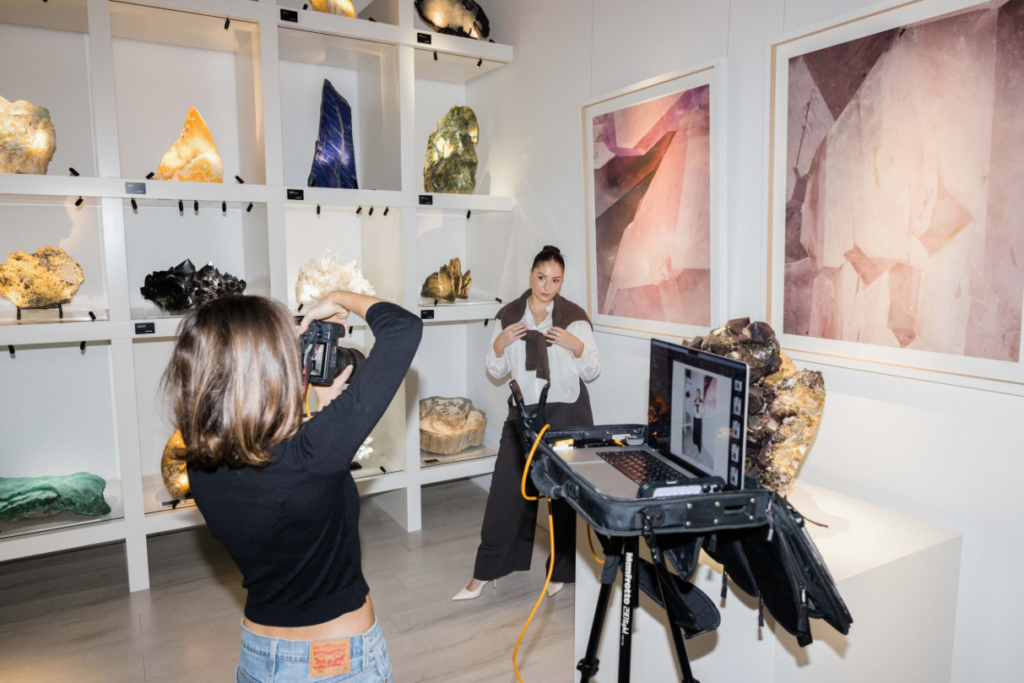
Creating urgency and exclusivity
Because pop ups are temporary, they naturally drive action. Customers are more likely to visit when they know an experience won’t last forever.
This sense of urgency often translates into higher engagement, stronger foot traffic, and increased conversion during the activation period.
Testing markets and products
Pop up retail space is one of the most effective ways to test demand. Brands can trial new products, pricing, or locations and gather insights quickly.
Instead of guessing, businesses can make data-informed decisions based on how customers actually respond in a physical environment.
Strengthening customer connection
Face-to-face interaction still matters. Pop ups create opportunities for personal engagement, storytelling, and trust-building that digital channels can’t fully replicate.
These experiences often leave a lasting impression, increasing brand recall and long-term loyalty.
What makes a successful pop up retail space?
Location with intent
Choosing the right retail space is critical. Foot traffic, local demographics, and surrounding businesses all play a role in success. The best pop ups align location with audience, not just visibility.
Strong visual identity
Design should be intentional and on-brand. Even short-term retail space needs to feel considered and cohesive, from signage to layout to materials.
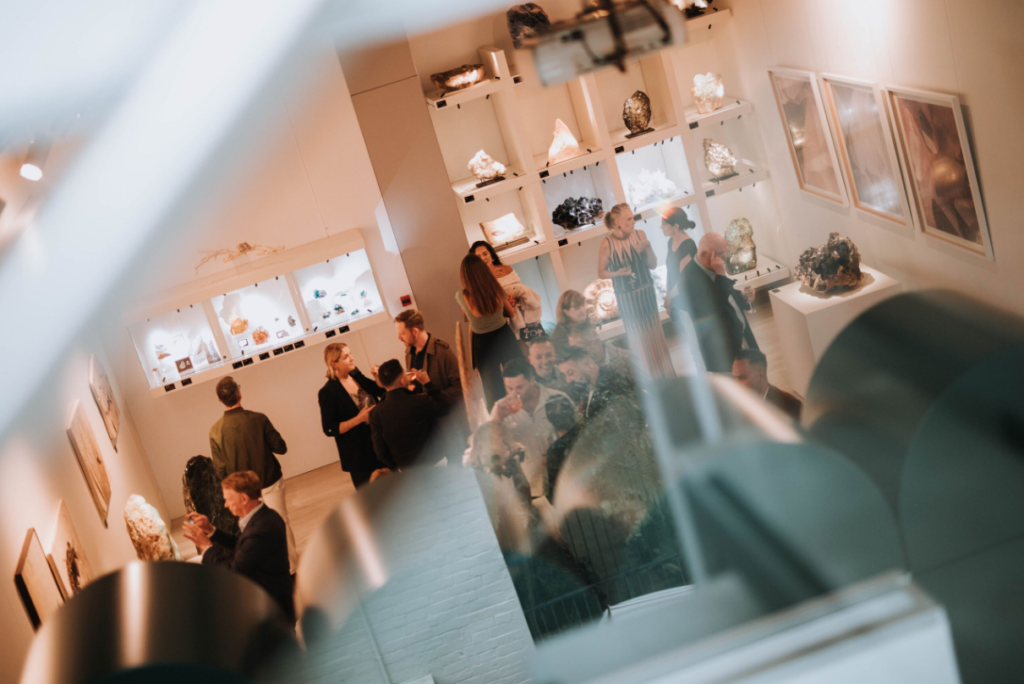
Interactive experiences
Pop ups perform best when customers can engage, not just browse. Interactive elements, live demos, and social-friendly moments encourage dwell time and sharing.
Omnichannel thinking
Successful pop ups don’t exist in isolation. Promotion through social media, email, and digital ads helps drive traffic, while post-event follow-ups extend the impact beyond the physical space.
Measuring the impact of pop up retail space
The success of a pop up isn’t just measured by sales. Brands should also look at:
- Foot traffic and dwell time
- Customer feedback and sentiment
- Social media engagement and reach
- Learnings around product and location performance
These insights help refine future retail space strategies and improve long-term outcomes.
Challenges to consider
Pop up retail space still requires planning. Logistics, budgeting, staffing, and compliance all need to be managed carefully.
However, compared to permanent retail, pop ups offer a more controlled and flexible way to operate, making them easier to adapt and optimise over time.
The future of retail space and pop up experiences
Pop up retail continues to evolve alongside technology and consumer expectations.
We’re seeing increased use of immersive digital tools, more sustainable materials, and data-driven personalisation within temporary retail space. As brands expand into new markets, cultural relevance and local storytelling are also becoming more important.
What remains consistent is the demand for flexibility. Retail space that can adapt quickly will continue to outperform rigid, long-term models.
Why flexible retail space is here to stay
Pop up experiences have reshaped how brands think about physical retail. They allow businesses to move faster, test smarter, and connect more deeply with customers.
Whether you’re launching something new, exploring a new audience, or creating a brand moment, flexible retail space offers a practical, low-risk way to do it.
At Spacenow, we make it easier to find, book, and activate retail space that fits your goals, timelines, and budget.
Explore retail space built for modern brands.