Shooting in a space that is not a studio
6 mins
If you are a photographer, producer or brand team weighing up location hire for a photo shoot in Australia, the space might be a warehouse, a gallery, a shopfront, an old garage or anything else that was not built as a studio. Any of them will need permissions that a studio includes by default.
Below is what those permissions are, who has to agree, and how to hand the space back the way you found it.
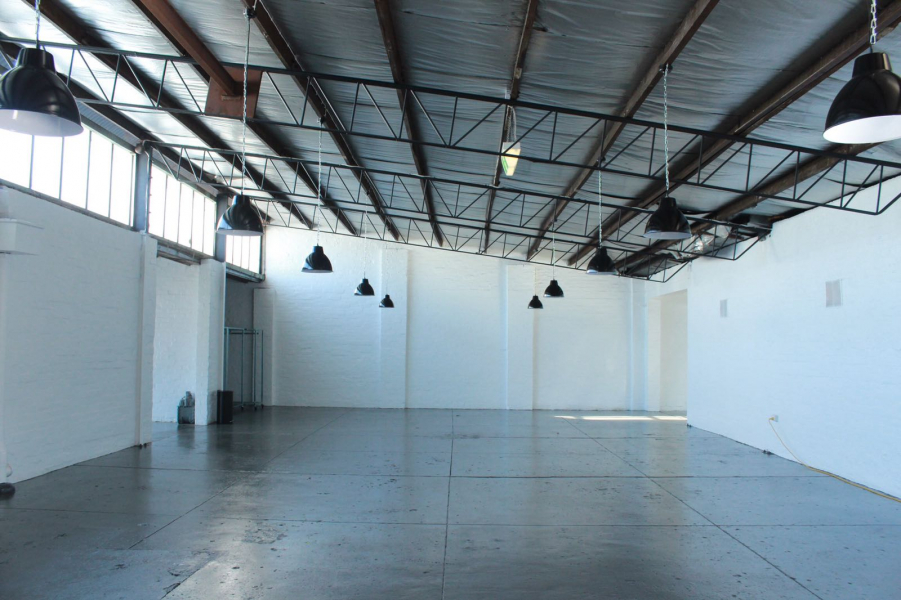
What a location gives you that a studio cannot
A studio gives you control over light, power and sound, while a location gives you more character and less control. You get real texture, windows and depth, and a setting that already fits the brief before you add a prop: a knitwear lookbook on the timber floor of a converted warehouse, a campaign in a heritage shopfront, a product film in an empty gallery.
You also give things up:
- Light you do not control. The windows face one way, and the room changes through the day.
- Power that was installed for a shop or an office, not a lighting kit.
- Neighbours, a street and a building that carry on around you.
- Surfaces you cannot change. You work with the walls and floors as they are.
Many rooms in our creative spaces suit a shoot precisely because they are not studios. Check each one against the sections below before you build a schedule around it.
What permissions do you need, and who has to agree?
Inside a hired space, the host's agreement is the starting point, but it is not always the only one. Work through this list:
- The host. Confirm in writing that commercial photography or filming is allowed, what you are shooting, crew numbers and hours. Some spaces allow shoots as standard and some need sign-off.
- The owner or building manager, if the host is a tenant or the space sits in a strata building. Common areas, lifts and loading docks are often under separate control.
- A location release. This is a signed agreement that lets you use images of the property. Clients and agencies usually expect one, particularly for advertising.
- Anything recognisable in frame. Artwork on the walls, signage and logos can belong to someone else. Ask what can stay in shot.
- People. Get model releases for anyone identifiable, including passers-by if you shoot through a window.
Once any part of the shoot moves onto the street, other approvals apply. Filming on footpaths, parking crew vehicles or setting up equipment on public land is usually a matter for the local council, often through a film liaison officer or a filming permit. Rules differ by council and by state, and your state screen agency is a good place to start for how approvals work where you are. Drones have their own rules through CASA.
How do you protect the space?
Hosts are less likely to have you back if the space is damaged, and most damage on shoots is avoidable.
- Walk through with the host before load-in. Photograph existing marks and agree them in writing. Do the same at the end.
- Floor protection along the route in and under stands, dollies and anything wet, and corner guards on doorways the gear passes through.
- Nothing fixed to walls unless it has been agreed. Even tape can lift paint, so ask what is safe to use.
- The host's furniture and props: agree what can move, photograph where it was, and put it back.
- Haze, smoke and anything with a flame. Haze can set off detectors, and isolating them is a job for building management, not the crew. Ask first.
- Water, food, fake blood, glitter and confetti all need a yes from the host and a clean-up plan.
Expect the host to ask for proof of public liability insurance, and check with your insurer that it covers shooting at a hired location. Our piece on pop up insurance explains what a certificate of currency is and why hosts ask for one.
Crew, parking and the practical limits
A location has practical limits that a studio has usually already dealt with.
- Crew numbers. Agree a headcount. A small shop fills fast with photographer, assistants, stylist, hair and makeup, talent and client.
- A base out of shot for hair and makeup, wardrobe, catering and a client monitor. In a one-room space that may mean a second room or a van outside.
- Parking and loading. Ask where the van stops, for how long, and whether crew can park nearby. Our guide to loading docks and access lists the questions.
- Power. Find out which circuits exist and where. A generator outside needs the host's agreement, and possibly the council's.
- Hours and noise. Residential neighbours and shared buildings limit early starts and late finishes. Our note on noise and finishing times explains where those limits come from.
- Toilets and water for a crew on a ten-hour day.
FAQ
Do I need permission to shoot commercially in a hired space?
Yes, you need the host's agreement for commercial photography or filming, and it is best in writing. If the host is a tenant or the space is in a strata building, the owner or building manager may also need to agree. Anything on the street or footpath is usually a council matter.
What is usually not allowed?
The most common restrictions are fixing anything to walls, painting, moving the host's furniture without agreement, haze or smoke machines, open flames, and messy effects such as water, food or glitter. Every host sets its own rules, so list what you plan to do and get a clear yes or no before the day.
Do I need a council permit to shoot on location?
Often not for a shoot that stays entirely inside a hired private space, but usually yes once you use the footpath, the street or public parking. Rules differ between councils and states, so ask the council's film liaison or events team early. Your state screen agency can explain how approvals work where you are.
If you want a shortlist of locations with the access, power and permission questions already asked, the Spacenow concierge is free until you book. Producers can start at space for producers, and every room we list for making work sits under creative spaces.