Venue Accessibility: What to Check
4 mins
How to check a venue works for every guest
An accessible event venue checklist helps you look beyond whether a room itself is step-free. For an event to work for more guests, consider the entire journey from the street to the room, along with bathrooms, lifts, communication needs and the information guests receive beforehand.
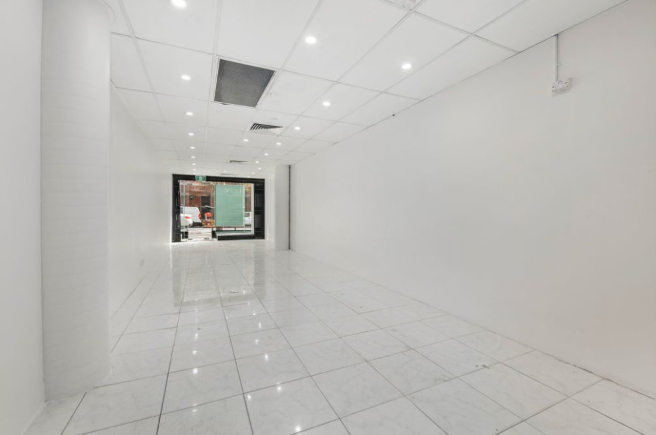
The route from the street to the room
Accessibility starts before anyone enters the event space.
Look at the full route:
- Footpath to entrance
- Car park to entrance
- Entry doors
- Ramps
- Steps
- Thresholds
- Corridors
- Lifts
- Registration area
- Event room
A venue can have an accessible room but still create problems if the route to it includes stairs or a narrow entrance.
During your inspection, physically follow the route a guest would take.
Ask whether there is a step-free alternative and whether guests can use it without needing to take a completely different route.
You can begin comparing event venues on Spacenow and then check the accessibility details of each shortlisted space directly.
Bathrooms, lifts and door widths
Small measurements can make a large difference.
Check:
- Door width
- Corridor width
- Lift dimensions
- Lift door width
- Bathroom access
- Turning space
- Ramp gradients where relevant
- Thresholds
- Seating arrangements
Do not rely on a listing description alone if a particular measurement matters to your guests.
If you need a lift, check that the lift can accommodate the equipment or mobility device your guests may use. If the event requires moving between floors, confirm the entire route rather than checking only the event room.
Australian accessibility requirements can involve the building, access route and facilities, so for specific compliance questions, check the relevant official guidance rather than assuming a venue is compliant from a description alone.
For broader venue support, Spacenow's concierge service can help you communicate accessibility requirements when comparing options.
Hearing, vision and sensory considerations
Accessibility is not limited to physical access.
Think about how guests will hear, see and experience the event.
Depending on the event, useful considerations can include:
- Hearing loops or assistive listening systems
- Clear signage
- Good lighting
- High-contrast information
- Captions
- Quiet areas
- Lower-sensory spaces
- Clear pathways
- Seating options
The right setup depends on your audience and event format.
A conference, product launch and private gathering may each need different adjustments.
Ask your venue what is available and explain what your guests need rather than assuming a standard setup will work for everyone.
You can also browse meeting and event spaces when comparing different layouts and facilities.
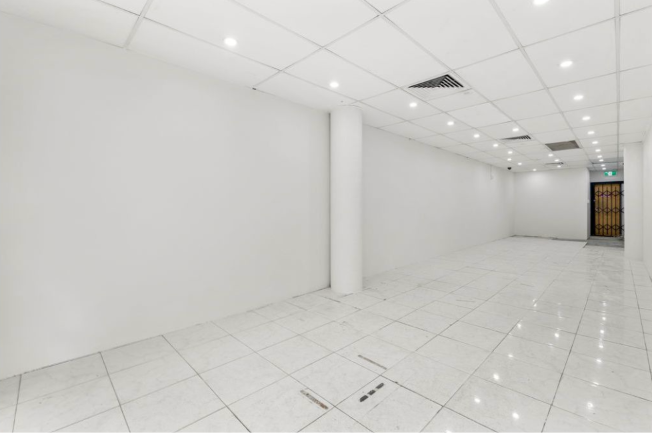
What to put in the invitation
Good accessibility planning starts before the guest arrives.
Your invitation can tell people:
- Whether the entrance is step-free
- Whether accessible parking is available
- Where the accessible entrance is located
- Whether accessible bathrooms are available
- Whether a lift is required
- Whether hearing support is available
- Whether a quiet area is available
- Who guests can contact with access questions
Give guests a clear way to ask for adjustments.
This is especially useful when the venue has features that are available only on request or when guests need specific information before deciding whether the location will work for them.
FAQ
What should I ask a venue about accessibility?
Ask about the complete route from the street to the event room, including entrances, lifts, door widths, bathrooms and any steps. Then ask about communication, sensory and other accessibility features relevant to your guests.
What do I need to tell guests in advance?
Tell guests what they can expect from the route, entrance, facilities and event environment, and provide a contact for access questions. Give enough detail for guests to decide what they need before arriving.
The best time to identify an accessibility issue is during the venue inspection, not when the first guest arrives. Walk the full route, check the practical details and give guests useful information before the event.