Flexible Retail Australia: Why More Brands Are Choosing It
4 mins
Flexible retail Australia is becoming the preferred choice for businesses looking to adapt to changing customer expectations and market conditions. As more brands seek greater flexibility, short-term retail spaces are helping them launch products, test new markets and grow without the commitment of traditional long-term leases.
From emerging startups to established retailers, businesses across the country are recognising the advantages of adaptable retail environments. A flexible retail space Australia allows brands to launch new concepts, test different locations and connect with customers in ways that align with today's evolving retail landscape.
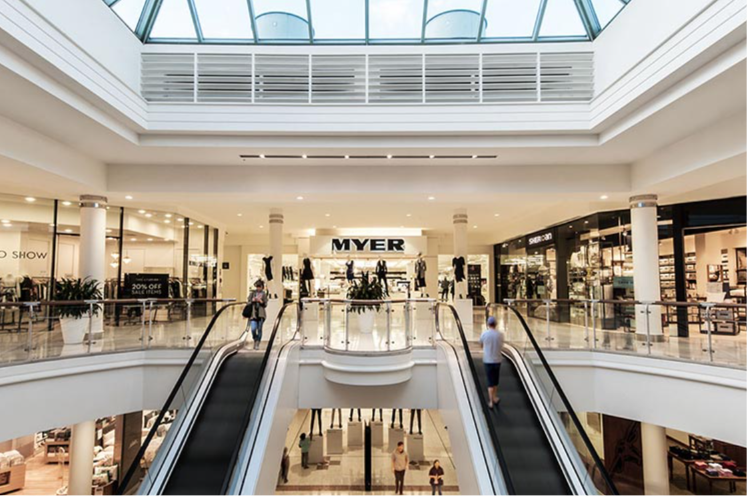
Why Flexible Retail Australia Is Growing
Retail trends, customer preferences and economic conditions continue to change.
Businesses that can adjust quickly are often better positioned to remain competitive, whether they are introducing a new product, entering a new market or responding to seasonal demand.
Flexible retail spaces give brands the freedom to adapt without the financial commitment of long-term leases, allowing them to make strategic decisions based on real market performance.
How Flexible Retail Australia Meets Changing Customer Expectations
Today's shoppers expect more than convenient transactions.
Many are looking for engaging shopping experiences, personalised service and opportunities to interact with brands in person before making a purchase.
Flexible retail spaces help businesses meet these expectations by creating environments where customers can explore products, ask questions and build stronger connections with the brand.
Flexible Retail Australia Reduces Business Risk
Expanding into physical retail no longer has to involve significant upfront investment.
A flexible retail space Australia enables businesses to:
- Test new locations
- Launch limited-time activations
- Introduce seasonal collections
- Validate new products
- Measure customer demand before expanding
This approach reduces financial risk while providing valuable insights that support long-term business growth.
Pop up Retail Continues to Gain Momentum
Pop up retail has become an increasingly popular strategy for businesses of all sizes.
Temporary retail activations allow brands to generate excitement, reach new audiences and create urgency around product launches or exclusive collections.
For established businesses, Pop ups offer opportunities to experiment with new markets. For emerging brands, they provide an accessible entry into physical retail without the costs associated with permanent stores.
Stronger Omnichannel Experiences
Customers move seamlessly between online and physical shopping.
Many discover products through social media or online advertising before visiting a retail space, while others first engage with a brand in person before becoming loyal online customers.
Flexible retail spaces strengthen this omnichannel journey by connecting digital engagement with memorable in-store experiences, creating greater consistency across every customer touchpoint.
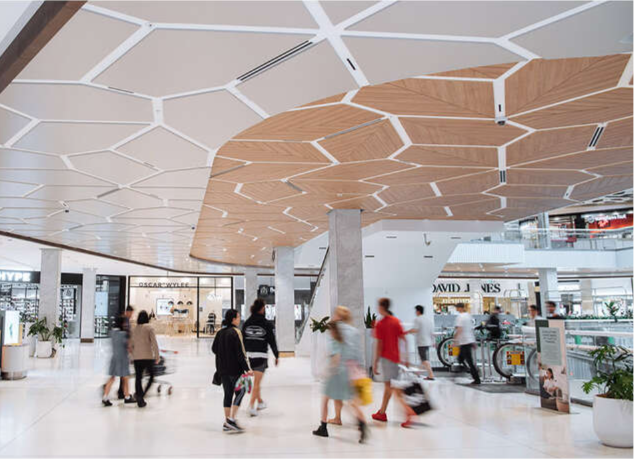
Valuable Insights Through Real Customer Interaction
Physical retail provides feedback that digital analytics cannot fully capture.
Businesses can observe:
- Customer behaviour
- Product engagement
- Purchasing decisions
- Frequently asked questions
- Store layout performance
These real-world insights help brands refine their products, improve marketing campaigns and make more informed expansion decisions.
Australia's Major Cities Support Flexible Retail
Cities such as Melbourne and Sydney continue to attract businesses looking for high-quality retail opportunities.
Their diverse customer bases, busy shopping precincts and strong visitor economies make them ideal locations for brands wanting to trial new concepts or strengthen their physical presence.
Flexible retail spaces allow businesses to take advantage of these opportunities while remaining adaptable as market conditions change.
Choosing the Right Flexible Retail Space
Not every retail location delivers the same results.
Businesses should consider:
- Target customer demographics
- Foot traffic
- Accessibility
- Visibility
- Store layout
- Campaign objectives
Selecting the right flexible retail space helps maximise customer engagement while supporting long-term business goals.
Final Thoughts
The continued demand for flexible retail spaces reflects the way Australian businesses are adapting to a rapidly changing retail environment.
A flexible retail space Australia gives brands the freedom to innovate, respond to customer demand and grow strategically without unnecessary long-term commitments.
With Spacenow, businesses can discover flexible retail spaces across Australia that make it easier to launch new ideas, build stronger customer connections and grow with confidence.