Casting and audition spaces: what productions need
6 mins
If you are a casting director, producer or agency looking at casting room hire in Sydney or Melbourne for a day of auditions, a self-tape session or callbacks, the waiting area needs as much thought as the room itself.
Below is what to check in the room, the waiting area, the sound and the booking.
What does the casting room itself need?
Size comes from the widest shot you need. For mid shots and close-up self-tapes, a room around four metres deep is plenty. Full-length, movement or dance castings need more depth, so the camera can pull back without going wide, and clear floor for the actor to move.
Then check:
- A plain wall in a neutral colour, or room for a grey or blue backdrop on stands. Busy walls and shelving distract from the actor.
- Light you can control. Windows are useful for a shoot but a nuisance for eight hours of castings, because the light shifts and every tape looks different. Blinds or blackout let you set one soft key light and leave it.
- A floor that suits the brief. Movement castings need a clean, non-slip floor. Dance may need a sprung or timber floor.
- Room for the panel. You need a table for the director, producer and client, out of the actor's eyeline, with power for laptops and a monitor.
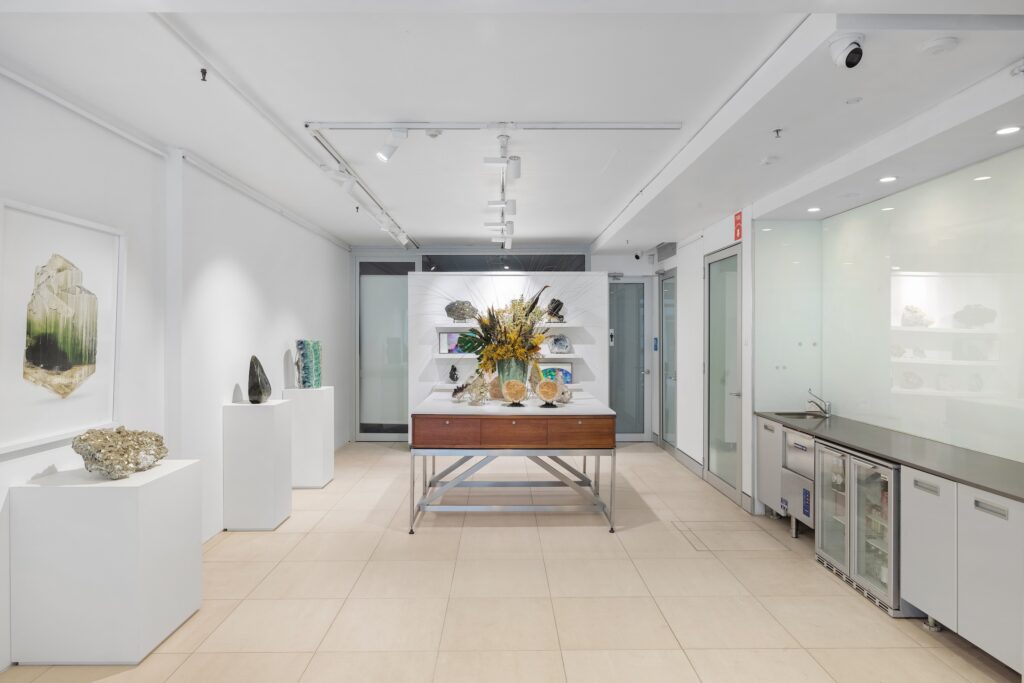
Bright white rooms and small studios in our creative spaces and studios often suit casting better than a large photo studio, where you would be paying for a cyc and a ceiling you will not use.
Where people wait, and why it matters
A casting falls behind quickly when the waiting area does not work, so plan it in detail.
- Out of earshot. Actors should not hear each other's reads. A waiting area behind a thin door is a problem for the actor and for your client.
- Seats for the peak, not the average. Castings bunch up when you run late. Count chairs for two slots' worth of people plus anyone with them.
- A sign-in point with sides, release forms and someone to run it. That person keeps the day moving.
- Somewhere to warm up, a toilet close by, water, and phone reception for people checking in.
- Step-free access from the street, so nobody is shut out by a flight of stairs. Our venue accessibility checklist covers what to ask.
If you are seeing children, each one comes with a parent or chaperone, which doubles the waiting headcount. Rules on working with children and on children in entertainment differ by state, so check what applies with the relevant state body before the day.
Sound, and what ruins a self-tape
Hard, empty rooms echo. Polished concrete, glass and bare plaster are the worst, and they are exactly what most white creative rooms are made of. At the inspection, stand in the room and clap. If the sound rings on, plan to soften it.
Background noise spoils more tapes than echo does, partly because you stop noticing it:
- Air conditioning and exhaust fans. Ask whether they can be switched off between takes.
- Fridges, drinks coolers and buzzing lights.
- Traffic, trains, a building site next door, or a flight path. Parts of Sydney's inner west sit under the airport flight path.
- Footsteps on the floor above, and the waiting area bleeding through the door.
Rugs, acoustic blankets and a couple of soft chairs fix most echo. Construction noise cannot be fixed on the day, so ask the host what is happening in the building and on the street on your date.
Can you book by the day or the half day?
Most castings take one of three shapes: a full day of first rounds, a half day of callbacks, or a short self-tape session. Some hosts take half-day bookings and others only book full days, so ask up front rather than assume.
- Ask whether the hours you book include setting up camera, backdrop and panel table, and packing down.
- If callbacks are likely, ask whether you can pencil a second date before you confirm the first.
- Castings often run over, so check what happens if yours does.
- For a recurring need, such as a casting every few weeks through a campaign, ask whether the same room can be offered on a regular day.
Send the host a short brief with numbers, times and what the room has to do. Our guide on how to brief a venue has a template you can copy.
FAQ
What size room do I need for casting?
For mid shots and close-ups, a room around four metres deep with a plain wall is usually enough. Full-length, movement or dance castings need more depth and clear floor, so the camera can pull back without distorting the frame. Add a separate waiting area sized for your busiest hour.
Can I book a casting space for half a day?
Often, but it depends on the host. Some rooms take half-day bookings and others only book full days, so ask before you build the schedule. Check whether setup and pack down count inside the hours you book.
How do I stop noise ruining self-tapes?
Pick a room with soft surfaces, or bring rugs and acoustic blankets, and ask whether the air conditioning can be switched off between takes. Inspect at the same time of day you will cast so you hear the traffic, neighbours and building noise. Keep the waiting area behind a solid door.
Send us the dates, the headcount and the widest shot you need, and the Spacenow concierge will shortlist rooms that fit, at no cost. Production teams can also start at space for producers, or browse creative spaces directly.